Artificial Intelligence (AI) is a rapidly evolving technology that tries to simulate human intelligence using machines, enabling them to perform a wide range of tasks, from simple to complex. AI encompasses various subfields, including machine learning (ML) and deep learning, which allow systems to learn and adapt in novel ways from training data. It has vast applications across multiple industries, such as healthcare, finance, and transportation.
It will only be a matter of time before the drugs we take are no longer designed by people, but by machines. With the promise of lower costs and shorter development timelines, AI-enabled drug discovery holds massive potential to increase the accessibility of drugs and to treat presently incurable conditions.
It has been said that COVID-19 is a generational challenge in many ways. But, at the same time, it becomes a catalyst for collective action, innovation, and discovery. Realizing the full potential of artificial intelligence (AI) for structure determination of unknown proteins and drug discovery are some of these innovations. Potential applications of AI include predicting the structure of the infectious proteins, identifying drugs that may be effective in targeting these proteins, and proposing new chemical compounds for further testing as potential drugs. AI and machine learning (ML) allow for rapid drug development including repurposing existing drugs.
Many lessons learned in fighting the Covid pandemic, in drug discovery and repurposing, can also be applied to repurposing drugs for treatment of the Emerging Cancer Pandemic. In so doing, we are looking to save hundreds of millions of dollars and many years of drug development time to deliver the cure for multiple cancer types.
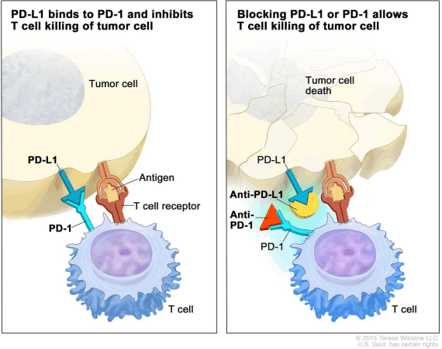
Traditional cancer treatments include surgery, radiation, and chemotherapy. In recent years, however, cancer immunotherapy has achieved major success in the fight against cancer, through deliberate and specific enhancement of the natural immune system. Both active and passive immunotherapies have proven efficacious against various cancer types by increasing the anti-cancer immune capabilities or limiting the tumor evasion. Chimeric antigen receptor (CAR) therapy is active immunotherapy aimed at educating the patients' immune system to recognize and fight cancer. Checkpoint inhibitors are passive immunotherapy aimed at attenuation of inhibitory T cells, leading to the active status of effector cancer-fighting T cells.
With the application of AI technology, Go-AI will focus on repurposing drugs for immunotherapies which include Immune checkpoint inhibitors, T-cell transfer therapy, Monoclonal antibodies, Treatment vaccines, and Immune system modulators. Go-AI will initially focus on identifying the most effective Checkpoint inhibitors.
Immunotherapy drugs called immune checkpoint inhibitors work by blocking checkpoint proteins from binding with their partner proteins. This prevents the “off” signal from being sent, allowing the T cells to kill cancer cells.